
Recognition on the Frontline
A conversation with Victoria at The Kitchenary about recognition, and why the design of it matters more than the budget behind it.
The gap between "we value recognition" and "our people feel recognised" is wide in most organisations. It's widest in frontline workforces. When your team is spread across shifts, production lines and sites, when they don't sit at a desk or share an inbox, the mechanics of acknowledging someone become harder. So does the culture that flows from it.

Getting it right for frontline teams requires something more intentional. It requires thinking about accessibility, consistency, and what it actually means to make someone feel seen when they are not sitting in a visible part of the business.
The Kitchenary, a leading Australian fresh food manufacturer, is one of the organisations that has done more thinking about this than most. We spoke with Victoria Pereira, Learning and Development Manager, about how they approach recognition for a frontline workforce, and what they have learned along the way.
Recognition as culture, not program
For The Kitchenary, recognition is not an HR initiative that runs once a year. It is a deliberate part of how they build culture across a workforce that keeps production moving every single day.
"Our frontline workforce is at the heart of what we do," Victoria told us. "Recognition is not something we see as optional. It is an important part of how we build culture."
The Kitchenary's definition of recognition is deliberately broad. It is not reserved for major achievements or long service milestones.
"Recognition is about creating a workplace where people feel seen, not only for major achievements, but also for the everyday contributions that make a difference. That can be recognising teamwork, effort, commitment, supporting others, living our values or simply acknowledging someone who consistently goes above and beyond."
The frontline recognition gap
The challenges of recognising a frontline workforce are practical as much as cultural. Shifts, production environments, and the absence of a shared screen or inbox all create real friction that office-based recognition approaches simply cannot solve.
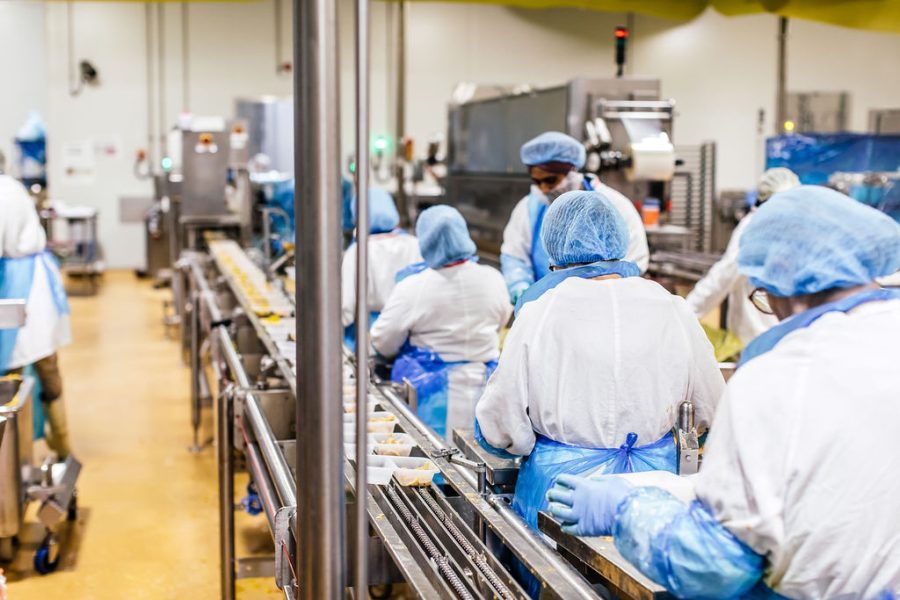
Victoria is candid about the complexity. "One of the biggest challenges is accessibility and consistency. Unlike office-based teams, frontline employees are often spread across shifts, busy production environments and may not spend time sitting in front of a computer. That means recognition cannot rely on traditional communication methods alone."
One example she gives is recognition events, a moment many organisations use to celebrate milestones and achievements. In a frontline environment, there is rarely a time that works for everyone.
"We try to find a middle ground where possible and make accommodations so employees receiving recognition can participate, even if that means adjusting shifts for the day or being flexible around operational needs. It is important to us that people feel included in those moments."
The visibility problem runs deeper than logistics too. When recognition is concentrated in visible parts of the business, workers in less visible roles can quietly feel like their contribution goes unnoticed. "You do not want people working nights or in less visible parts of the business to feel disconnected from what is happening."
Technology plays a key role in bridging that gap. "Because not everyone is sitting behind a screen, we use our internal communication platforms to share recognition moments, celebrate milestones and make achievements visible across the business. This helps create connection and ensures recognition is not limited to the people physically in the room."
What actually works
The Kitchenary's approach isn't one flagship program. It's three things that reinforce each other.
- Peer recognition. Once a quarter, employees can nominate anyone across the business for a positive contribution. "What makes it meaningful is that recognition comes directly from colleagues, people who work alongside each other every day and genuinely see the effort, teamwork and support happening behind the scenes. We celebrate these moments through a quarterly ceremony, which helps create visibility and gives people an opportunity to feel acknowledged in front of their peers."
- Manager-led recognition. Not quarterly. Ongoing. "Giving leaders the opportunity to recognise their team members in meaningful ways has helped create more regular moments of appreciation, rather than recognition only happening once or twice a year."
- Service milestones. A message that long-tenure matters. "Taking the time to recognise long-term contribution sends a strong message that commitment matters and is valued."
The test Victoria uses to know whether recognition is working isn't an engagement score. It's whether recognition feels ordinary.
"Recognition does not always need to be big or expensive to have impact. Sometimes the moments people remember most are simply feeling noticed, thanked or appreciated for the work they do every day."
For Victoria, the measure of a mature recognition culture is when it stops feeling like a moment.
"The biggest difference comes when recognition feels genuine, consistent and part of everyday culture, rather than something that only happens occasionally."
Where to start

For organisations looking to build a stronger recognition culture for their frontline workforce, Victoria's advice is to start with listening rather than launching.
"Start by asking, 'What makes our people feel valued?' Sometimes it is better communication, celebrating milestones, peer recognition or simply more regular acknowledgement from leaders."
Consistency is the other non-negotiable. "Recognition should not only happen once a year or when something goes wrong." Sporadic recognition, no matter how well-intentioned, signals that appreciation is an afterthought rather than a practice.
On the role of technology, Victoria is clear about both its value and its limits. "Technology can absolutely help, particularly for frontline environments where employees are spread across shifts and locations. It can make recognition more visible, easier to access and more consistent across the business. However, technology should support recognition, not replace the human element. The most meaningful recognition still comes back to authenticity, knowing your people, acknowledging real contributions and making it personal."
The Kitchenary uses Mumba to help make recognition visible across shifts and sites at scale. But the culture Victoria describes came from her team, not from any tool. Recognition is a design choice. It's a signal to your workforce about who matters.