December 5, 2025
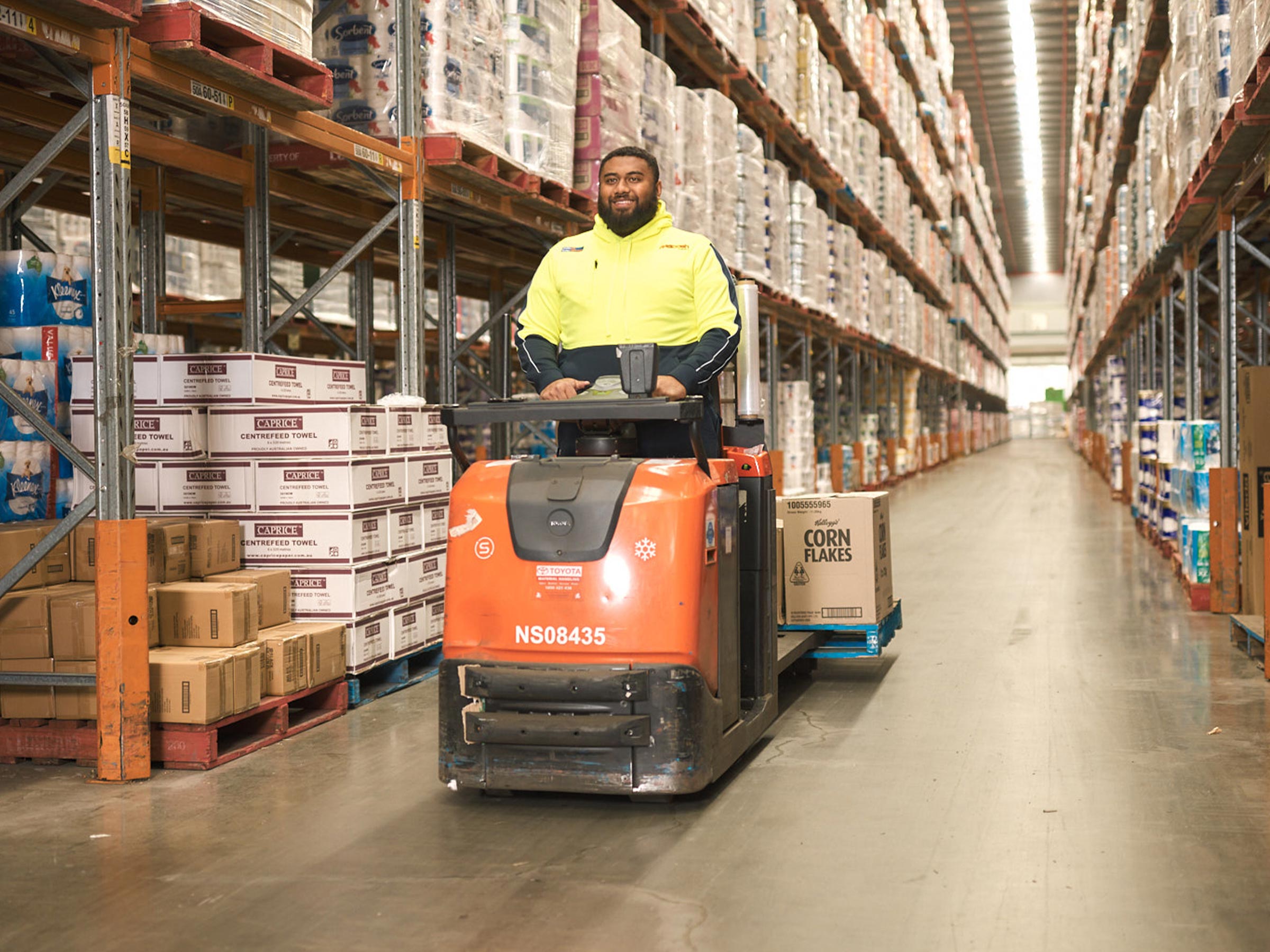
Metcash, one of Australia’s leading wholesale companies, chose Mumba - here's why
Getting a frontline workforce to download an app is the easy part. Getting them to open it six months later, that's where most organisations quietly lose the battle.
The story of frontline technology adoption is too often told in launches. A big rollout. A spike in logins. Then, slowly, silence. The platform becomes something people check when they must, not something they reach for because it actually helps.
So what separates the organisations that sustain engagement from the ones that don't?
We spoke with the team at The Y NSW, part of one of the largest youth organisations in the world. The YMCA supports thousands of children, young people, and communities across fitness, early learning, recreation, and community programs. Here's what they've learned about keeping a frontline workforce genuinely engaged for the long haul.

Ask most vendors what drives adoption and they'll point to features. Intuitive design. Smart notifications. Slick integrations. Those things matter. But according to Jess Hill, The Y NSW's Chief People Officer, the biggest factor has nothing to do with the platform itself.
"The biggest factor is culture and leader engagement, closely followed by user experience," she told us. "If leaders actively use and reference the platform, it signals that it matters."
This pattern shows up again and again. And organisations consistently underestimate it.
When a manager references the platform in a team meeting, checks it themselves, and treats it as the default place for information, the message to frontline staff is clear: this is how we do things here. When leaders don't engage, staff take their cue from that too.
The Y NSW is just as clear on the user experience side. "Frontline teams will not tolerate clunky navigation or tools that slow them down. If it saves time and genuinely helps them do their job, engagement follows."
That's the real test. Not whether the platform looks good in a demo. Whether a shift worker can find what they need in under a minute, on their phone, before the next task begins.
One mistake comes up more than any other: the big bang launch with no follow-up.
"The initial excitement fades quickly if the tool is not embedded into day-to-day work," The Y NSW told us.
The pattern is familiar. A platform launches with fanfare. All-staff comms. Manager briefings. Maybe a competition to drive downloads. Week one looks strong. Then the numbers drift. Not because the platform is bad, but because nothing changed in how work actually gets done.
There's a second trap that's easy to miss in those early months. The platform has to evolve as the organisation evolves.
"Engagement drops when the platform does not evolve as the organisation evolves," they explained. "If content feels out of date or irrelevant, people stop coming back."
The warning signs are worth watching for:
But the clearest signal is simpler than any of those. As The Y NSW put it: "When staff start saying they cannot find what they need or are being told about information elsewhere, it is usually a sign the platform is not working hard enough for them."
For The Y NSW, two things made the biggest difference. Neither is a technology fix.
The first is consistency. "Ongoing communication has been critical, not treating Mumba as a one-off launch." Embedding the platform into the rhythm of the organisation, rather than treating it as a project with a start and end date, is what keeps it relevant.
The second is personalised onboarding. "We have focused on introducing Mumba early so it becomes part of how people learn the organisation from day one."
That's a subtle but powerful shift. When a platform is part of how someone first experiences an organisation, it becomes part of their mental model of how things work. It isn't retrofitted onto old habits. It's there from the start.
Asked what they'd do differently, The Y NSW is candid. "We would spend even more time upfront mapping the jobs our frontline people are trying to get done and designing around that from the start. The closer the platform aligns to real work, the stronger the engagement."
A deceptively simple insight. And one most organisations skip in the rush to launch.

The real measure of success isn't login rates or open rates. It's whether people reach for the platform at the start of their day without being prompted.
For The Y NSW, that's an ongoing process, and the signs are encouraging. The team continues to shape Mumba around the organisation's evolving needs.
"That dialogue has helped us get much clearer about the jobs to be done by our people and design our tiles and content to support that," they said. "We now intentionally funnel more organisational communication through the Mumba home page, supported by alerts, so people are consistently drawn back into one place."
The result is communication that feels structured and predictable. That's no small thing in an environment where information has historically arrived through a patchwork of channels, managers, and word of mouth.
That predictability is the whole point. When a frontline worker knows exactly where to go, and trusts that what they need will be there, the platform stops being a tool they use. It becomes part of how they work.
The Y NSW's experience points to a handful of principles that apply well beyond community services.
Make leader engagement non-negotiable. If the people at the top of the frontline hierarchy don't use the platform, no one below them will feel they have to. Build leader usage into your rollout plan from day one. Not as a nice-to-have. As a core requirement.
Design for the job to be done, not the feature set. Stop asking "what can the platform do?" Start asking "what are our frontline people actually trying to get done, and how does this make it easier?" Map that before you build your content and navigation.
Treat the launch as the beginning, not the destination. The real work of adoption happens in the months after go-live. Plan for ongoing communication, content governance, and regular reviews of what's working and what isn't.
Make it the obvious first stop. Funnel communication deliberately through the platform. Every time information reaches staff somewhere else first, you train them that the platform is optional.
Long-term engagement isn't a product feature. It's an organisational discipline. The Y NSW shows what that discipline looks like in practice, and why it pays off long after the launch buzz fades.
See why HR teams are switching to Mumba. From onboarding to compliance, comms, and change — Mumba replaces complexity with clarity. Run HR faster, simpler, and smarter.
See how one simple platform can transform how you run HR and help you focus on what matters: your people.
We're a trusted partner for some of Australia's largest companies